When designing seals, gaskets, or O-rings for aggressive chemical environments, selecting the proper elastomer often comes down to two heavyweights: Fluorosilicone (FVMQ) and Fluorocarbon (FKM). Both materials deliver exceptional fluid and fuel resistance compared to general-purpose rubbers, but their physical performance under thermal and mechanical stress diverges significantly.
Specifying the wrong material can lead to premature seal failure, costly downtime, or total system compromise—especially in aerospace, defense, and automotive fluid-handling systems.
Here is a technical comparison of FVMQ and FKM across temperature limits, chemical compatibility, mechanical properties, and application suitability to help you choose the right material for your spec.
1. Temperature Range & Thermal Behavior
Thermal capability is typically the decisive factor when choosing between FVMQ and FKM.
Fluorosilicone (FVMQ): Built on a silicone polymer backbone modified with fluoroalkyl side chains, FVMQ offers an exceptional temperature range from -60°C to +200°C (-76°F to +392°F). It retains flexibility and sealing force at sub-zero temperatures where most standard elastomers freeze and shatter.
Fluorocarbon (FKM): Standard FKM compounds perform exceptionally well at high temperatures—typically rated from -20°C to +200°C (-4°F to +392°F), with specialized low-temperature grades reaching down to -40°C. However, standard FKM stiffens rapidly when exposed to extreme cold.
Key Takeaway: If your application experiences extreme cold start-up conditions or high-altitude flight environments, high-performance fluorosilicone rubber (FVMQ) provides low-temperature resilience that standard FKM cannot match.
2. Chemical & Fluid Resistance Profile
Both elastomers resist attack from hydrocarbon fuels and oils, but their resistance profiles differ across specific media:
| Fluid / Environment | Fluorosilicone (FVMQ) | Fluorocarbon (FKM) |
| Aviation / Jet Fuels (JP-8, Skydrol) | Excellent | Excellent |
| Petroleum Oils & Greases | Excellent | Superior |
| Aromatic Hydrocarbons (Benzene, Toluene) | Good | Superior |
| Aids, Acids & Concentrated Chemicals | Fair / Good | Superior |
| Hot Water & Steam | Poor / Fair | Good to Superior (specialty grades) |
| Silicone Oils & Fluids | Poor (Avoid) | Excellent |
FKM generally provides higher resistance to concentrated acids, aromatics, and heavy industrial chemicals. However, FVMQ is specifically engineered to resist volume swell when exposed to aviation fuels, automotive gasolines, and synthetic lubricants while retaining elastomeric memory.
3. Physical & Mechanical Properties
Mechanical stress performance determines how well a gasket maintains a seal under compression and dynamic loads.
Compression Set: FVMQ demonstrates superior low-temperature compression set recovery. FKM offers excellent compression set resistance at elevated temperatures, maintaining seal integrity under long-term thermal load.
Tear & Abrasion Resistance: FKM is a tougher material with higher tensile strength and superior abrasion resistance. Standard FVMQ has lower tear strength, making it better suited for static face seals, enclosure gaskets, and dynamic seals where high friction or severe abrasion is not present.
Flexibility & Shore Hardness: FVMQ is inherently soft and pliable, readily available in durometers from 40 to 70 Shore A. FKM is generally stiffer, typically specified between 60 and 90 Shore A.
4. Application Suitability Matrix
Choose Fluorosilicone (FVMQ) When:
Sub-zero exposure is guaranteed: High-altitude military aviation, cold-weather automotive fuel systems, or arctic environment fluid lines.
Low closure force is needed: Soft fuel-resistant fluorosilicone gaskets provide an effective environmental seal on thin-walled metal or composite enclosures without warping flanges.
Dual fluid & EMI requirements exist: FVMQ easily integrates conductive metal fillers (like nickel-graphite or silver-aluminum) to supply combined EMI shielding and fuel resistance for military avionics.
Choose Fluorocarbon (FKM) When:
High mechanical stress/abrasion is present: Dynamic shaft seals, rotary seals, or high-pressure hydraulic components.
Extreme high heat is continuous: Applications running continuously above 200°C up to intermittent spikes of 250°C.
Exposure to harsh acids/aromatics is high: Industrial chemical processing plants or heavy refinery fluid lines.
Summary: Making the Material Selection
Choosing between FVMQ and FKM comes down to balancing low-temperature flexibility against high-temperature mechanical wear. While FKM is a rugged choice for tough chemical and mechanical environments above sub-zero ranges, FVMQ remains the premier elastomer when severe cold, fuel immersion, and reliable seal recovery intersect.
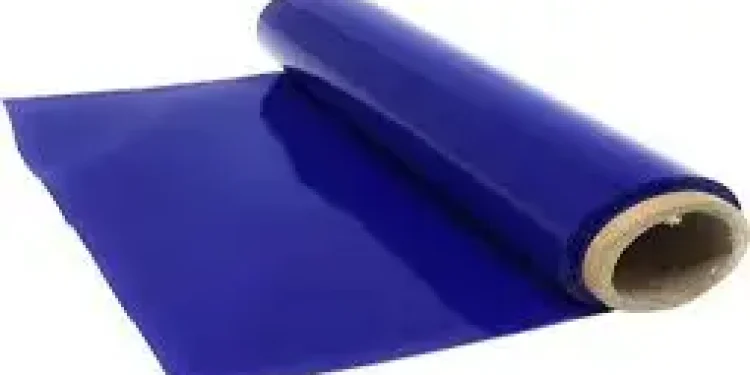
Need guidance matching your exact drawing callout or fluid specification to the right material grade? Contact Specialty Silicone Products to explore custom compounding, continuous roll stock, and spec-grade MIL-SPEC fluorosilicone sheet stock and compounds.