FAQ: Most Cost‑Effective EMI/RFI Shielding Materials
What makes an EMI/RFI shielding material “cost‑effective”?
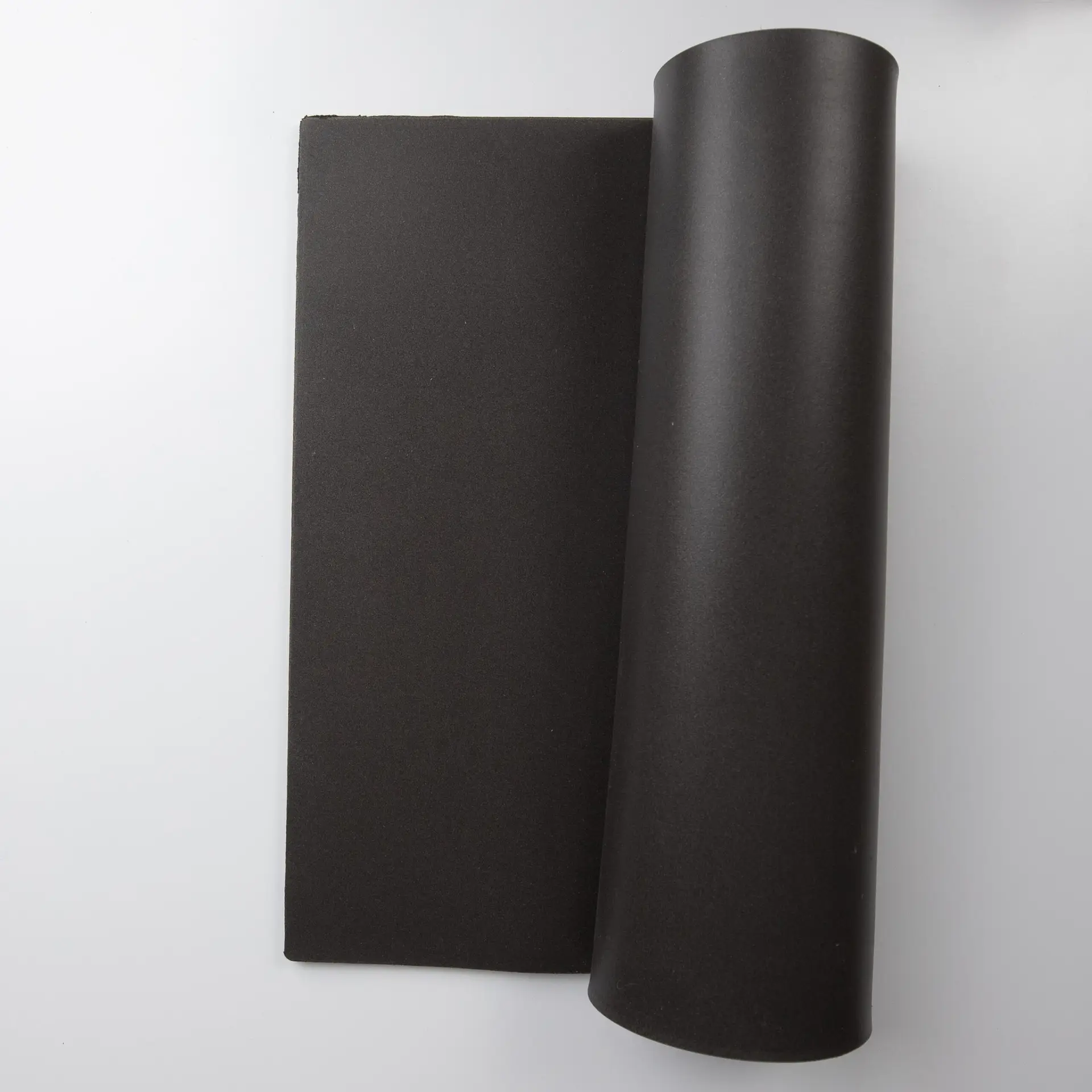
Cost‑effective EMI materials use conductive fillers such as nickel‑graphite or nickel‑aluminum that deliver strong shielding performance at a lower price point than precious‑metal fillers like silver‑aluminum or silver‑copper.
Which SSP materials offer the best balance of cost and performance?
SSP’s nickel‑graphite and nickel‑aluminum conductive elastomers provide excellent value. They offer reliable shielding effectiveness, good environmental resistance, and strong mechanical properties at a significantly lower cost than silver‑based materials.
How does shielding performance compare to more expensive materials?
While silver‑based fillers provide the highest conductivity, cost‑effective fillers still deliver strong EMI/RFI shielding across a wide frequency range. For many commercial, industrial, and general‑purpose applications, nickel‑based materials provide more than enough performance.
Are cost‑effective EMI materials available in silicone and fluorosilicone?
Yes. SSP offers cost‑effective EMI materials in both silicone and fluorosilicone. Fluorosilicone versions add resistance to fuels, oils, and solvents while maintaining affordability compared to precious‑metal systems.
Do cost‑effective EMI materials meet MIL‑DTL‑83528 requirements?
Some nickel‑based materials can meet portions of MIL‑DTL‑83528 performance requirements, but they are not typically QPL‑listed. They are best suited for commercial, industrial, and non‑military applications where certified materials are not required.
What applications are ideal for cost‑effective EMI materials?
These materials are widely used in industrial controls, commercial electronics, telecommunications equipment, consumer devices, and any application where strong shielding is needed without the cost of silver‑based fillers.
Are there trade‑offs when choosing cost‑effective EMI materials?
Nickel‑based fillers offer excellent value, but they may provide lower conductivity than silver‑based systems and may not be suitable for the highest‑frequency or most demanding aerospace/defense applications.
Can SSP customize cost‑effective EMI materials?
Absolutely. SSP can tailor durometer, filler loading, thickness, color, and cure characteristics to meet specific electrical, mechanical, and environmental requirements while keeping cost efficiency in mind.