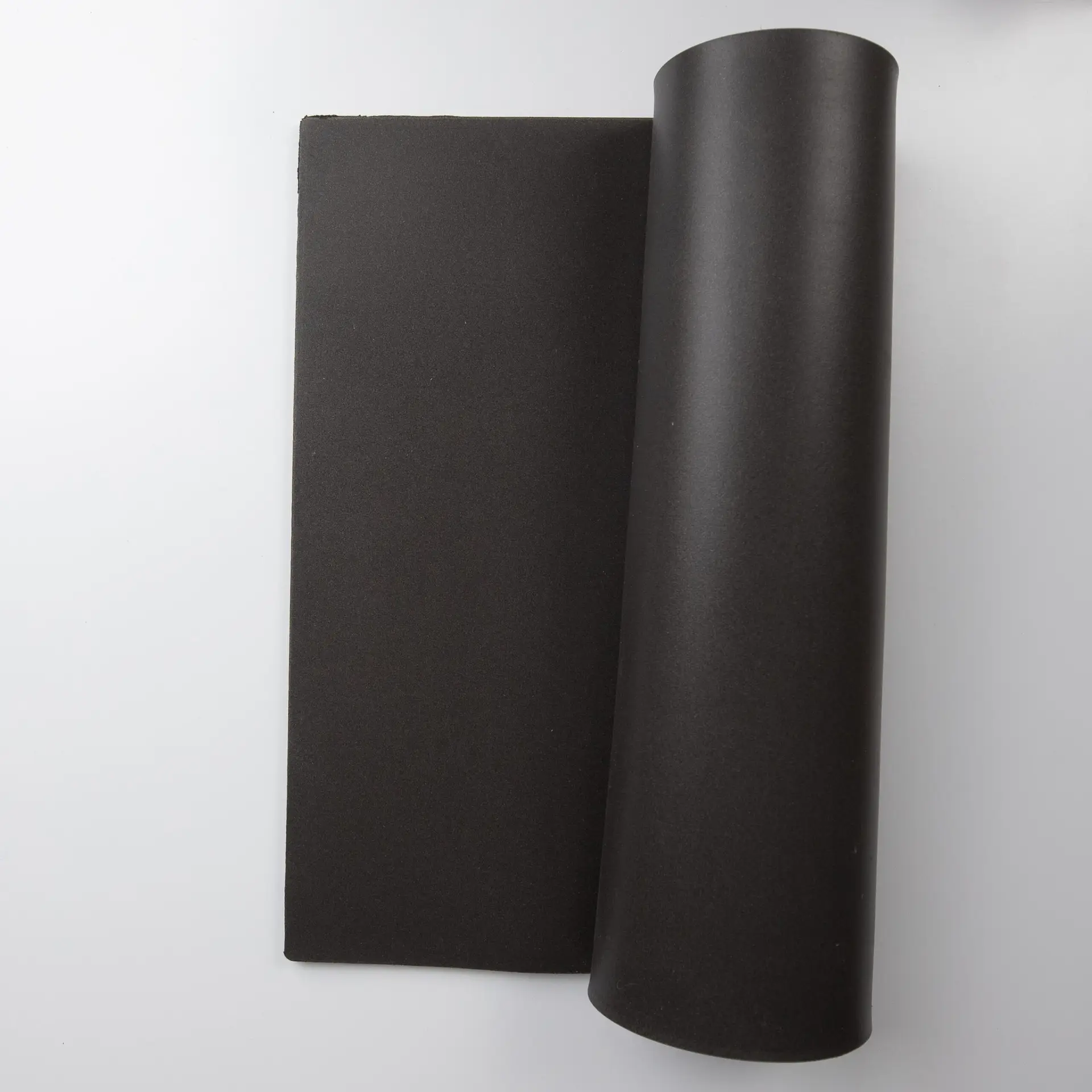
SSP2529 Nickel Aluminum Silicone
SSP2529 is a 68-durometer, nickel-aluminum EMI shielding silicone. Resists galvanic corrosion. MIL-DTL-83528 tested. Use instead of CHOSEAL 6502.


SSP makes nickel-aluminum silicones and flurorosilicones designed for corrosive environments with heavy salt spray, including military ships and marine applications.
Choose sheets, rolls, moldable compounds, extrusions, EMI O-rings, or EMI gaskets.
SSP’s corrosion resistant EMI shielding silicones combine environmental sealing and EMI shielding with resistance to galvanic corrosion, an electrochemical process that causes flange pitting in marine environments. Our nickel-aluminum-filled elastomers are a cost-effective alternative to silver-filled products and include both a silicone-based and a fluorosilicone-based material.
Compare SSP’s corrosion resistant EMI gasket materials to CHO-SEAL 6502 and CHO-SEAL 6503 from Parker Chomerics. SSP makes it own EMI shielding silicones and is not a Parker Chomerics distributor. SSP’s EMI gasket materials are made here in the United States, and we offer low minimum order quantities and shorter lead times than you’ll find elsewhere. Plus, you can buy from us directly.
Note: SSP’s corrosion resistant EMI gasket materials have been tested for Shielding Effectiveness, which is part of the MIL-DTL-83528 specification for elastomeric shielding gaskets. However, these two SSP materials are not included in the M83528 Qualified Product List (QPL).
SSP2529 is a 68-durometer, nickel-aluminum EMI shielding silicone. Resists galvanic corrosion. MIL-DTL-83528 tested. Use instead of CHOSEAL 6502.
SSP2551 is a 72-durometer nickel-aluminum flluorosilicone. Tested to MIL-DTL-83528 and performs to 40 GHz. Resists fuels, solvents, galvanic corrosion.
EMI/RFI shielding silicones that contain nickel-aluminum particles provide reliable protection against salt spray, salt water, and atmospheric humidity. Resistance against galvanic protection is especially important in marine applications, but engineers and material buyers must also account for supplier performance.
Typically, EMI gaskets are installed between flanges that contain different metals than the gasket itself. Most flanges are made of aluminum or steel, but many EMI gaskets contain silver, nickel, Monel, or other metals. EMI gaskets are electrically conductive, too.
In environments with salt spray, salt water, or atmospheric humidity, fluids collect at the flange-gasket interface. This provides the electrolyte that’s needed for galvanic corrosion. In this galvanic cell, a loss of material occurs with the most noble, or least corrosion-resistant, metal.
To avoid galvanic pitting, some metal flanges are treated with anti-corrosion coatings that also provide electrical conductivity. For example, aluminum flanges in marine or aerospace applications may be treated with a chromate conversion coating such as Iridite. These specialized finishes help, but engineers and buyers still need the right EMI silicones to minimize corrosion-related repairs.
Galvanic corrosion is the most common corrosion-related condition to affect EMI gaskets. Known as “dissimilar metal corrosion”, this electrochemical process occurs when:
SSP also offers these other types of EMII/RFI shielding materials. We also fabricate EMI gaskets and EMI O-rings from the elastomers we make.
Corrosion‑resistant EMI materials use conductive fillers that minimize galvanic reactions when in contact with aluminum, stainless steel, or other enclosure metals. Fillers such as nickel‑graphite, nickel‑aluminum, and silver‑nickel are engineered to maintain conductivity without degrading in harsh environments.
When dissimilar metals come into contact in the presence of moisture, galvanic corrosion can occur. This can reduce shielding effectiveness, damage the enclosure, and shorten gasket life. Choosing a filler system with compatible electrochemical properties helps prevent corrosion and ensures long‑term performance.
SSP’s nickel‑aluminum elastomers are specifically engineered for corrosion‑resistant EMI/RFI shielding. These materials provide stable conductivity and environmental durability in marine, aerospace, and outdoor applications.
Yes. SSP’s corrosion‑resistant materials are formulated to deliver reliable shielding effectiveness across a wide frequency range. While precious‑metal fillers may offer higher conductivity, corrosion‑resistant fillers provide an excellent balance of performance, stability, and cost.
Absolutely. SSP offers corrosion‑resistant EMI materials in both silicone and fluorosilicone. Fluorosilicone versions provide added resistance to fuels, oils, and solvents, making them ideal for aerospace and defense environments.
Several SSP materials meet or exceed MIL‑DTL‑83528 requirements, including QPL‑listed silver‑aluminum and silver‑copper compounds. While some corrosion‑resistant fillers are not part of the MIL spec, they are widely used in applications where galvanic compatibility is a priority.
These materials are ideal for marine electronics, outdoor enclosures, aerospace systems, defense equipment, and any application exposed to moisture, salt fog, fuels, or corrosive environments.
Yes. SSP can tailor durometer, filler loading, thickness, and material formulation to meet specific shielding, environmental, or mechanical requirements. Custom options are available for both silicone and fluorosilicone compounds.