Specialty Silicone Products (SSP) supplies extruded EMI elastomers in standard and custom profiles. Our manufacturing equipment includes a 40-ton Loomis extruder for EMI elastomers used in automotive, aerospace, military, medical, satellite communications, and robotics applications.
SSP’s EMI/RFI shielding elastomers include many high-quality, cost-effective offsets to materials from well-known competitors. Many of these elastomers are designed to meet the lettered requirements of MIL-DTL-83528, a U.S. military specification (MIL-SPEC) for conductive elastomeric shielding gaskets.
SSP’s EMI RFI elastomers also include compounds that are suitable for commercial application, such as aviation, where EMI shielding gaskets that provide fuel resistance may be required.
Form Factors for EMI Extrusions
Extruded EMI elastomers from SSP provide the same properties and features as the company’s EMI elastomers in three other form factors: ready-to-mold compounds; fully-cured, conductive stock sheets, and (for some formulations) continuous rolls.
For gasket fabricators and material converters, the availability of extruded profiles from SSP means potential opportunities. Now, fabricators and converters can buy extruded EMI elastomers directly from a trusted source (SSP), eliminating the middle-man or more expensive suppliers.
Extruded EMI elastomers also provide robust design options for sealing and shielding applications. Gasket fabricators that offer value-added service such as joining or splicing can benefit, too.
Understanding EMI Gasket Extrusion
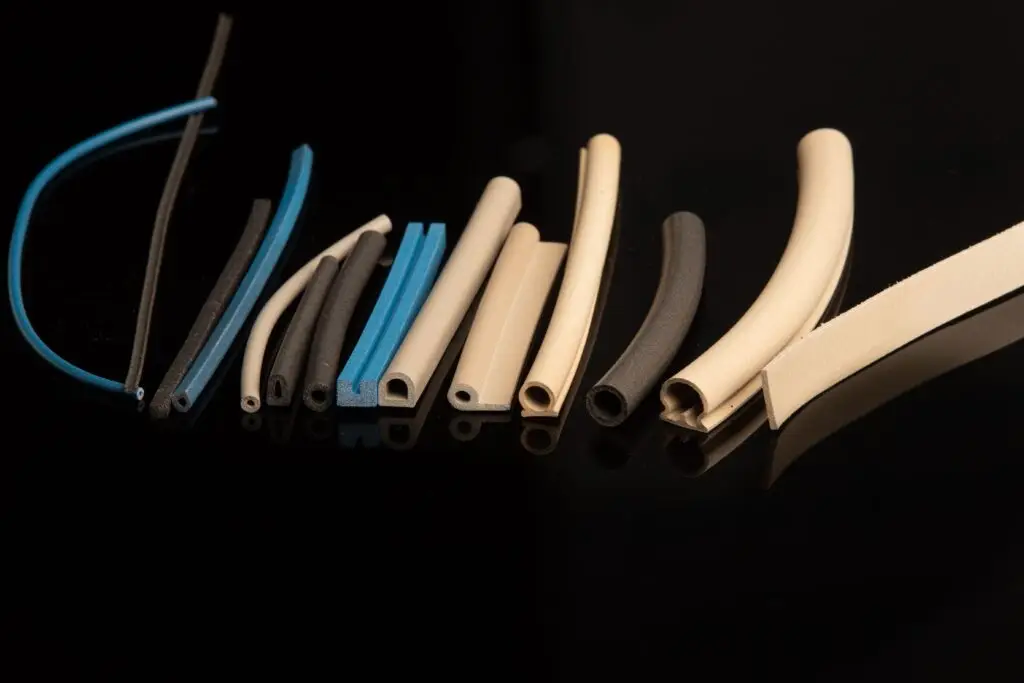
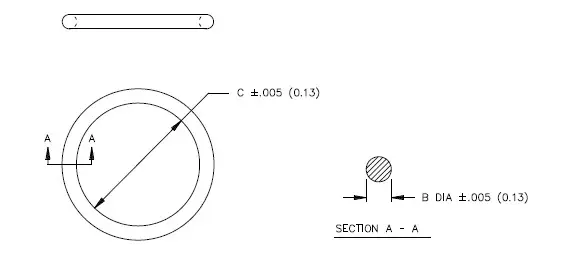
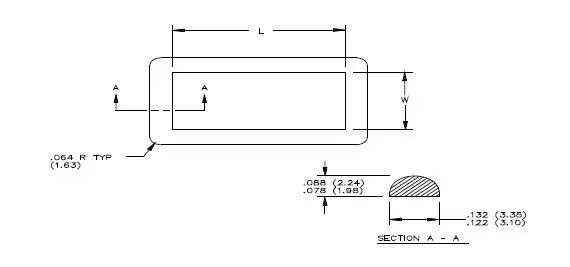
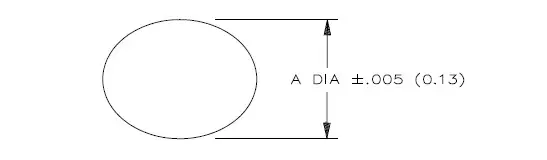
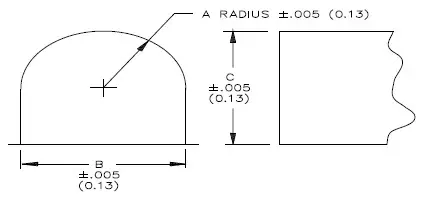
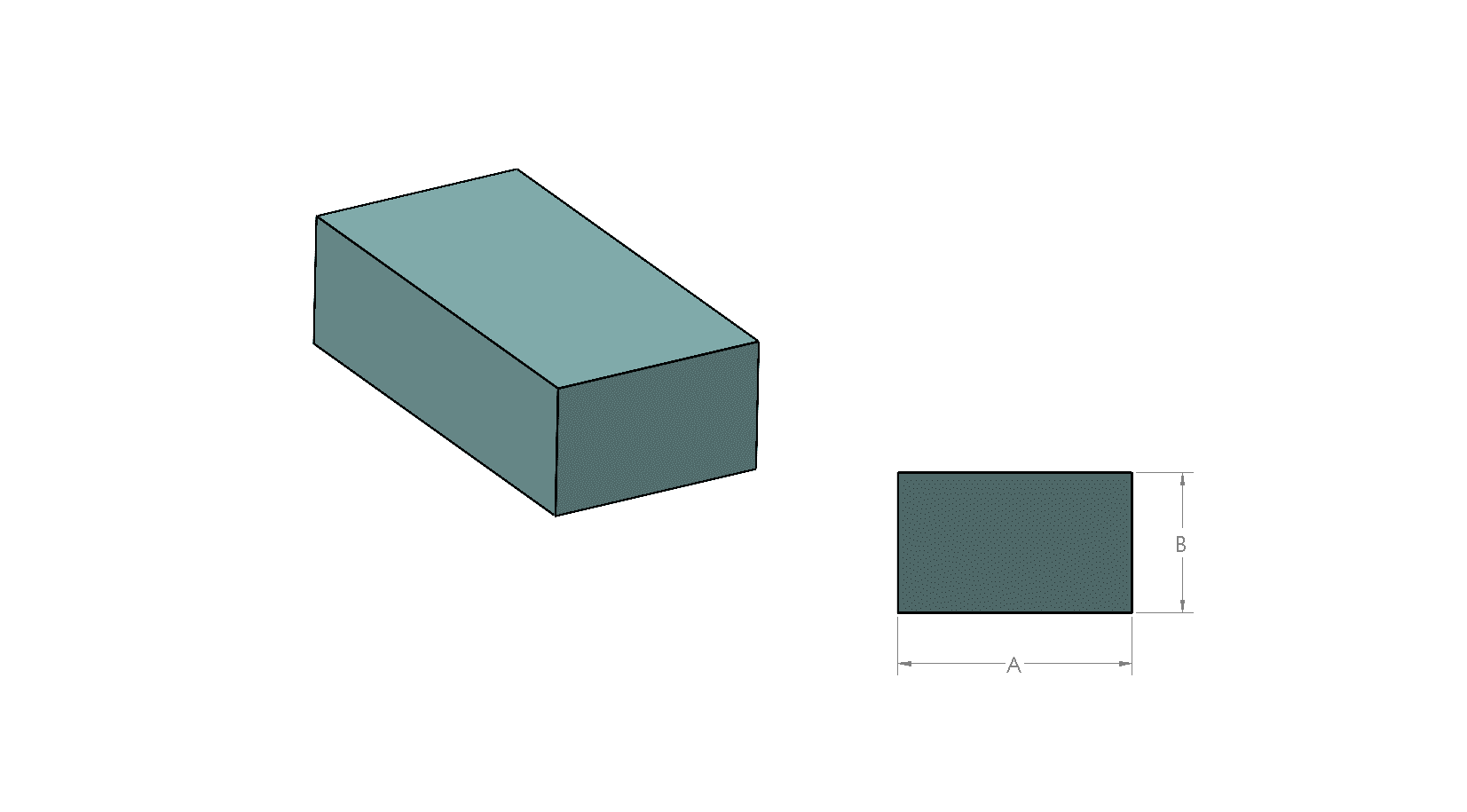
Extrusion is a material-formation process that forces a feedstock through a die or series of dies, and produces a specific shape with a constant cross-section. Examples of these cross-sectional shapes include circles, half-circles, squares, rectangles, D-shapes, and P-shapes.
In the case of SSP’s EMI RFI elastomers, the feedstock consists of a silicone or flurosilicone base for environmental sealing, and metal or metal-coated particles for electrical conductivity and EMI shielding.
Depending on the tooling that’s used, SSP’s EMI elastomer extrusions can have very thick or very thin cross-sections. These extrusions can also be solid or hollow. Solid rubber extruded profiles are made by continuous extrusion. Hollow rubber profiles can handle greater compressive forces.
Additional Considerations with EMI Gasket Extrusions
SSP’s EMI elastomers have the same properties and features whether a material is supplied as an extrusion, sheet, roll, or ready-to-mold compound.
For example, SSP238-65 is a 65-durometer, electrically-conductive silver-aluminum shielding silicone that’s designed to meet the requirements of MIL-G-83528, Type B. Regardless of form factor (i.e., extrusion, sheet, roll, or compound), this material has the same tensile strength, thermal stability range, volume resistivity, and shielding effectiveness.
All EMI elastomers are not available in all four form factors, however. For technical buyers, it’s important to note that SSP’s extrusions do not include softer silicones and reinforced materials, even higher-durometer compounds that contain fabric reinforcements. This means that SSP’s 30, 40, and 45-durometer materials are available only as moldable compounds, sheets, or rolls.
Fabric-reinforced EMI silicones are 65-durometer materials, but they’re not available as extrusions.
EMI Gasket Extrusions and Value-Added Manufacturing
For gasket fabricators, material converters, and manufacturers, it’s important to understand that SSP extrudes EMI elastomers in long lengths that are coiled, boxed, and shipped. Companies that use die cutting, water jet cutting, laser cutting, or other material conversion methods can then cut these long, standard lengths to shorter, stock lengths; or to custom sizes for specific applications.
Gasket fabricators who provide additional services such as design assistance, splicing, and gasket taping can also leverage their capabilities by providing a value-added solution.
SSP can help you to identify the EMI shielding materials that you or your customers require. As a full-line supplier of standard and custom silicones, we have the technical knowledge and application expertise to be more than just your material supplier. As your strategic sourcing partner, SSP can recommend the right commercial, medical, and military silicones for your specific project.
Contact us for more information.
Note: For photos of some of our extruded EMI elastomers, visit this album in Google Photos