Summary: Selecting the right EMI gasket material involves balancing electrical conductivity, environmental sealing, and cost-effectiveness. Key materials include silicone or fluorosilicone base elastomers filled with conductive particles like silver-aluminum or nickel-graphite to ensure Electromagnetic Compatibility (EMC).
What are the Best Materials for EMI Shielded Enclosure Gaskets?
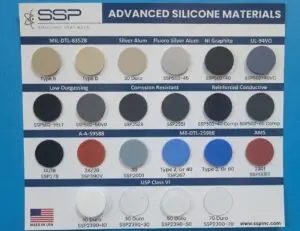
The most effective materials for EMI shielded enclosures are electrically conductive elastomers. These materials combine the sealing properties of rubber with the conductivity of metal fillers.
Base Elastomers: Silicone (standard) or Fluorosilicone (for fuel/solvent resistance).
Conductive Fillers: Silver-Aluminum, Silver-Copper, or Nickel-Graphite.
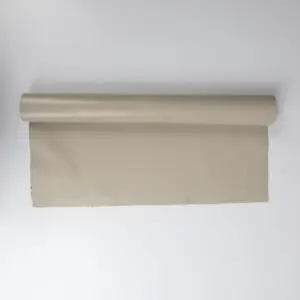
Forms: Conductive O-rings, die-cut gaskets, and extruded strips.
Understanding EMI, RFI, and EMC in Enclosure Design
Electromagnetic Interference (EMI) is a disturbance that affects electrical circuits due to electromagnetic induction or radiation.
EMI vs. RFI: While EMI is a broad term, Radio Frequency Interference (RFI) typically refers to interference specifically within the radio frequency spectrum.
Electromagnetic Compatibility (EMC): This is the goal of shielding—ensuring that a device functions as intended without interfering with other electronics.
Silicone vs. Fluorosilicone: Which Base Elastomer Should You Use?
Choosing the right base polymer is critical for the long-term durability of the EMI seal.
Why Use Silicone for EMI Gaskets?
Silicone is the industry standard because it remains flexible across extreme temperatures (-55°C to +200°C) and resists UV, ozone, and moisture. It is ideal for general-purpose environmental sealing.
When to Choose Fluorosilicone?
Fluorosilicone should be used in aerospace and automotive applications where the gasket will come into contact with:
Jet fuels and gasoline
Solvents and de-icing fluids
Harsh chemical environments
Comparing EMI Filler Types: Conductivity vs. Cost
The filler determines the Volume Resistivity (VR) and the cost of the gasket. Lower VR values indicate better electrical conductivity.
| Filler Type | Conductivity Level | Typical VR (Ω-cm) | Relative Cost |
| Pure Silver | Extremely High | 0.0009 | $ |
| Silver-Aluminum | Super Conductive | 0.003 | |
| Nickel-Graphite | Highly Conductive | 0.10 | $$ |
Note: Nickel-Graphite is the most common “commercial-grade” alternative to expensive silver-filled materials.
FAQs About EMI Shielding Materials
How is EMI shielding effectiveness measured?
Shielding effectiveness is measured in decibels (dB). However, material performance is often tested via Volume Resistivity (VR), measured in ohms per centimeter. Lower resistance leads to higher shielding.
What is the difference between a COA and a COC?
A Certificate of Analysis (COA) provides specific test results for the actual batch of material you receive. A Certificate of Conformance (COC) is a general statement that the material meets the required specifications. For high-stakes aerospace or medical applications, always request a COA.
Can I get EMI gaskets with adhesive backing?
Yes. EMI gaskets can be supplied with Electrically Conductive Pressure Sensitive Adhesive (PSA) to simplify assembly while maintaining electrical continuity across the enclosure.
Why Supplier Selection Matters
When sourcing EMI materials, prioritize manufacturers that offer vertical integration. A supplier like Specialty Silicone Products (SSP) provides in-house compounding, lab testing, and toolroom capabilities. This ensures that the material formula is consistent, traceable, and meets rigorous standards like MIL-DTL-83528.
For help selecting gasket materials for EMI shielded enclosures, contact SSP.