FDA‑compliant silicone is a high‑purity elastomer formulated to meet the material safety requirements of 21 CFR 177.2600, the U.S. Food & Drug Administration regulation governing rubber articles intended for repeated food contact.
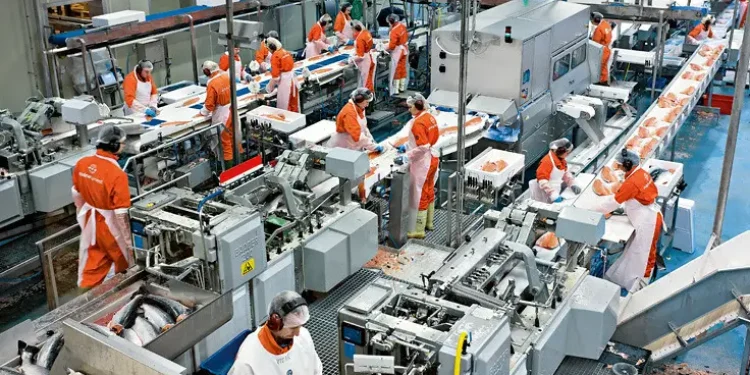
These materials are used in food processing equipment, beverage systems, dairy operations, pharmaceutical manufacturing, and hygienic sealing applications where cleanliness, durability, and regulatory compliance are essential.
SSP manufactures FDA‑compliant silicone materials with tight control over extractables, cure chemistry, and physical properties, ensuring consistent performance in demanding sanitary environments. Keep reading to learn more and contact us for a quote.
What Makes a Silicone “FDA‑Compliant”?
A silicone elastomer is considered FDA‑compliant when it meets the requirements of 21 CFR 177.2600, which limits:
Extractables in water and n‑hexane
Volatile content
Cure system byproducts
Ingredients used in compounding
FDA compliance applies to the material, not the finished part — meaning the silicone formulation must meet the regulation before molding, extrusion, or fabrication.
Key Characteristics of FDA‑Compliant Silicone
High‑purity base polymer
Platinum‑cure or peroxide‑cure systems suitable for food contact
Low extractables and leachables
Odorless and tasteless
Resistant to cleaning chemicals and sanitizers
Wide operating temperature range (–60°C to +200°C typical)
FDA Silicone vs. Medical‑Grade Silicone
These terms are often confused, but they serve different regulatory needs.
| Feature | FDA Silicone | Medical‑Grade Silicone |
|---|---|---|
| Governing Standard | 21 CFR 177.2600 | USP Class VI, ISO 10993 |
| Intended Use | Food, beverage, dairy, pharma processing | Implants, devices, biocompatible components |
| Purity Level | High | Highest |
| Extractables | Controlled | Extremely low |
| Typical Forms | Gaskets, tubing, seals | Tubing, molded components |
Applications of FDA‑Compliant Silicone
FDA silicone is used across industries where sanitation, durability, and regulatory compliance are critical.
Food & Beverage Processing
Pump and valve seals
Transfer tubing
Oven and freezer gaskets
Bottling and filling equipment
Dairy processing components
Pharmaceutical & Biotech Manufacturing
Peristaltic pump tubing
Sanitary gaskets
Fluid‑handling seals
Cleanroom equipment components
Consumer & Household Products
Food‑safe bakeware
Beverage dispensing systems
Water filtration components
Performance Advantages of FDA Silicone
FDA‑compliant silicone offers a combination of mechanical, thermal, and chemical properties ideal for hygienic environments.
Mechanical Properties
Flexible across wide temperature ranges
Excellent compression set resistance
High tear strength options available
Thermal Performance
Suitable for both hot and cold processing
Stable under repeated sterilization cycles
Resistant to thermal aging
Chemical Resistance
Compatible with CIP/SIP cleaning chemicals
Resistant to oils, fats, and mild acids
Non‑reactive with food products
Available Forms of FDA Silicone
SSP can supply FDA‑compliant silicone in multiple formats:
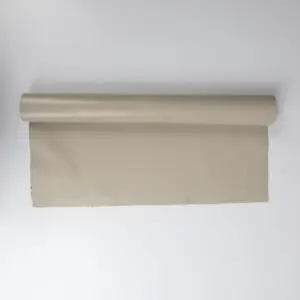
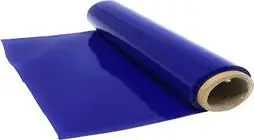
Solid silicone sheet
Extruded profiles and cords
Molded gaskets and seals
Custom shapes and die‑cut parts
Tubing and hose
Durometers typically range from 30–80 Shore A, depending on application requirements.
Comparison: FDA Silicone vs. General‑Purpose Silicone
A high‑value table for engineers and procurement teams:
| Property | FDA Silicone | General‑Purpose Silicone |
|---|---|---|
| Regulatory Compliance | 21 CFR 177.2600 | None |
| Extractables | Low | Variable |
| Purity | High | Standard |
| Food Contact Safety | Yes | No |
| Typical Applications | Food, beverage, pharma | Industrial, automotive |
FAQs About FDA‑Compliant Silicone
Does FDA silicone require a specific cure system?
Both platinum‑cure and peroxide‑cure systems can be FDA‑compliant, provided they meet extractables limits.
Is FDA silicone safe for repeated food contact?
Yes — 21 CFR 177.2600 specifically covers repeated‑use food contact applications.
Can FDA silicone be used in high‑temperature food processing?
Most FDA silicones operate from –60°C to +200°C, with specialty grades available for higher temperatures.
Is FDA silicone resistant to cleaning chemicals?
Yes — it withstands common sanitizers, detergents, and CIP/SIP processes.
Does FDA compliance apply to the material or the finished part?
Compliance applies to the material formulation, not the final geometry.