
MIL-DTL-83528 Type A Material
CHO-SEAL 1215 alternative. SSP2569-65 is a 65-durometer, silver-copper EMI shielding silicone. MIL-DTL-83528 Type A. QPL Listed.

These EMI shielding silicones have the highest level of electrical conductivity. They contain silver-coated particles and include offsets to CHO-SEAL 1215 and CHO-SEAL 1212 from Parker Chomerics
Choose electrically conductive silicones sheets, rolls, moldable compounds, extrusions, EMI O-rings, or EMI gaskets.
SSP’s most conductive silicone rubber contains silver-coated particles. They include QPL certified MIL-DTL-83528 Type A and Type K. There’s also a silver-aluminum silicone with optimum surface conductivity and a silver-nickel fluorosilicone for harsh environments.
CHO-SEAL 1215 alternative. SSP2569-65 is a 65-durometer, silver-copper EMI shielding silicone. MIL-DTL-83528 Type A. QPL Listed.

CHO-SEAL 1212 alternative. SSP2571-85 is an 85-durometer silver-copper EMI silicone that meets MIL-DTL-83528 Type K. QPL listed.
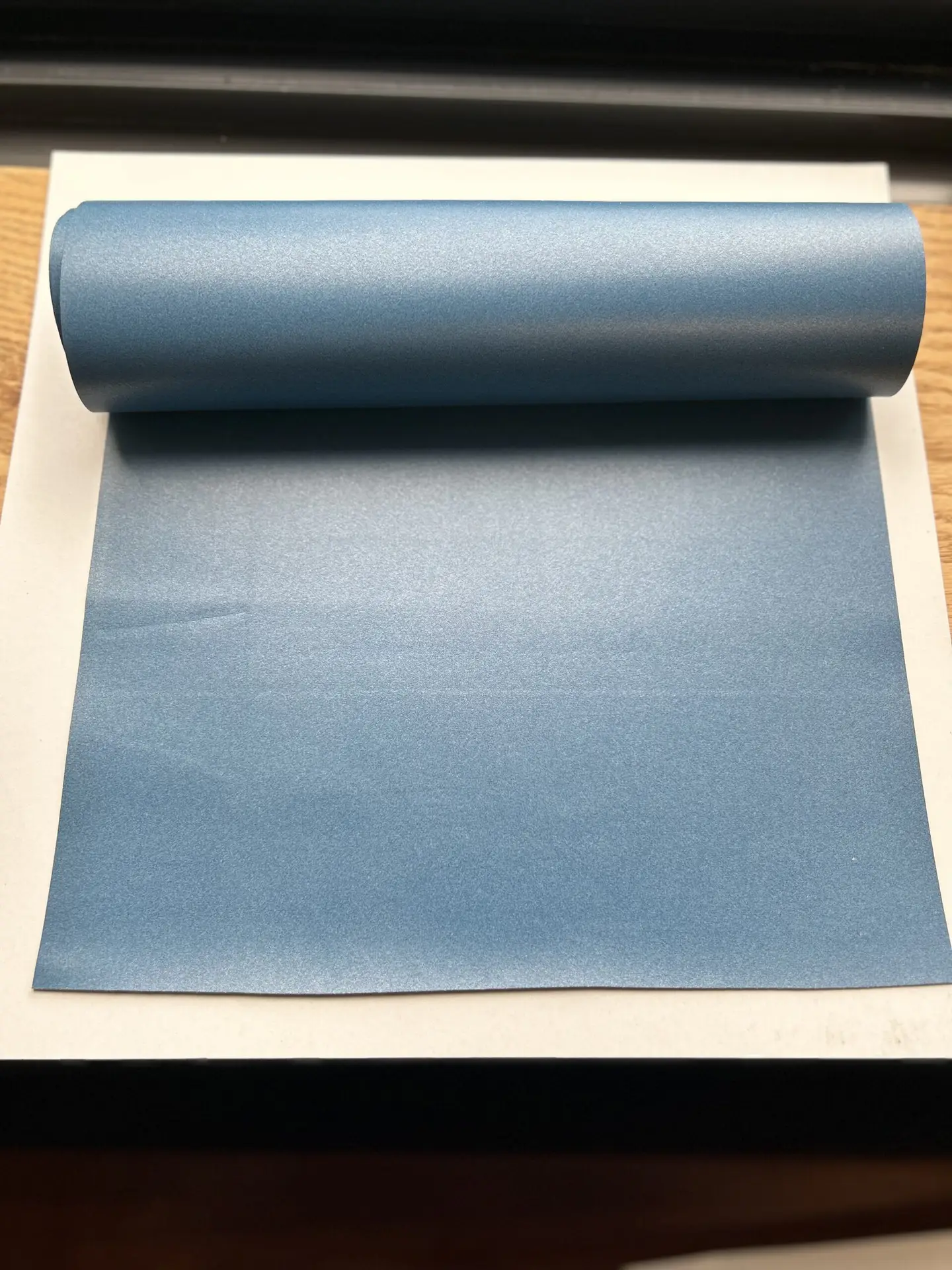
SSP2476-65 is a silver aluminum filled silicone elastomer designed for optimized surface conductivity.
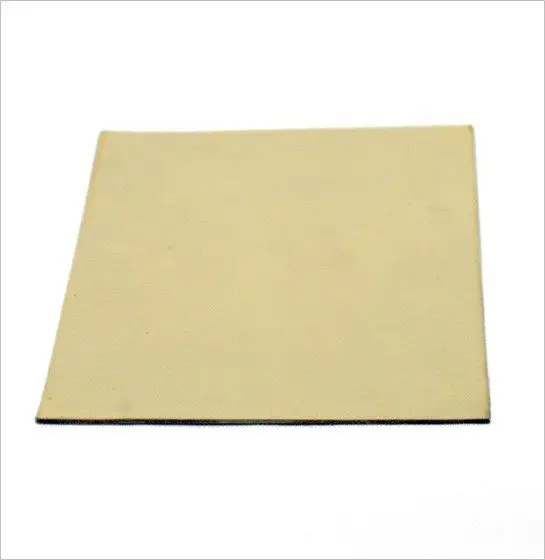
SSP482-75 is a 75-durometer, electrically-conductive, silver-nickel silicone shielding elastomer that’s designed to meet MIL-DTL-83528 Type L. Find out if this shielding silicone is right for your EMI RFI gaskets.
SSP482F-75 is a 75-durometer, very conductive, silver-nickel fluorosilicone that combines EMI shielding with resistance to harsh environments.
Silicone materials are widely regarded for their versatility and robustness in industrial and engineering applications. Among these, electrically conductive silicones represent a unique class of materials that combine the inherent advantages of silicones—such as flexibility, chemical resistance, and thermal stability—with the ability to conduct electricity.
For engineers, these materials open up a broad range of opportunities for innovative designs and solutions in electronics, telecommunications, automotive, aerospace, and medical devices. Learn more about the properties, types, applications, and considerations for using electrically conductive silicones.
Electrically conductive silicones derive their functionality from their dual ability to insulate and conduct electricity. This is achieved by incorporating conductive fillers into the silicone matrix. The primary properties that make them appealing to engineers include:
Engineers have a wide array of electrically conductive silicones to choose from, depending on the application and performance requirements.
The main types include:
Electrically conductive silicones find applications across various industries, addressing challenges in electrical connectivity, thermal management, and environmental protection.
While electrically conductive silicones offer numerous benefits, their selection and application require careful consideration to ensure optimal performance.
The field of electrically conductive silicones is evolving rapidly, driven by advancements in materials science and the increasing demand for high-performance electronic and energy devices. Key trends include:
Conductive gaskets are specialized sealing materials designed to provide electrical conductivity (or thermal conductivity) while also maintaining a physical barrier for environmental protection.
Electrically conducive gaskets are used in applications where both electromagnetic interference (EMI) shielding and environmental sealing are required. These conductive seals prevent the leakage of electromagnetic waves (which can interfere with electronic components) and block external EMI from entering sensitive devices.
Conductive gaskets are often made of elastomers (like silicone or rubber) filled with conductive particles such as silver, nickel, or carbon. Some gaskets may also be made of metal mesh or fabric that is highly conductive.
Conductive gaskets are crucial in electronics where electromagnetic compatibility (EMC) standards must be met. They offer both electrical and physical protection.
Contact SSP for more information.
SSP also offers these other types of EMII/RFI shielding materials. We also fabricate EMI gaskets and EMI O-rings from the elastomers we make.
Conductivity in EMI materials is driven primarily by the type, purity, and loading of the conductive filler. Precious‑metal fillers such as silver‑aluminum, silver‑copper, and silver‑nickel provide the highest electrical conductivity and the strongest shielding effectiveness across wide frequency ranges.
SSP’s silver‑aluminum, silver‑copper, and silver‑nickel conductive elastomers deliver the highest conductivity levels. These materials are engineered for applications requiring maximum shielding effectiveness and low electrical resistance.
Silver‑based fillers provide the highest conductivity and broad‑spectrum shielding. Nickel‑graphite and nickel‑aluminum fillers offer strong performance at a lower cost, but silver‑based systems remain the top choice for mission‑critical applications requiring the lowest resistance paths.
Yes. Several of SSP’s most conductive materials—including silver‑aluminum and silver‑copper compounds—meet or exceed MIL‑DTL‑83528 requirements and are available in QPL‑listed versions for defense and aerospace programs.
Absolutely. SSP offers its most conductive materials in both silicone and fluorosilicone. Fluorosilicone versions add resistance to fuels, oils, and solvents while maintaining high electrical conductivity.
These materials are used in radar systems, avionics, secure communications, high‑frequency microwave assemblies, military electronics, and any environment where maximum shielding effectiveness is essential.
Highly conductive materials often use precious‑metal fillers, which can increase cost. However, they provide unmatched shielding performance, corrosion resistance, and reliability in demanding environments.
Yes. SSP can tailor durometer, filler loading, thickness, and cure characteristics to meet specific electrical, mechanical, and environmental requirements.